Publikace, nahrávky a jiné výstupy
Přehled toho, co jsem napsal a zveřejnil (jako sociolog) nebo nahrál a vydal (jako muzikant). Prostě veřejně dostupné "výstupy". V případě, že je to právně a technicky možné, postupně sem dávám k dispozici i plné texty a do příslušných oddílů hudební sekce pak i nějaké hudební ukázky ve formátu mp3.

V/A (2001): Black Point totality sampler. CD. Black Point [BP 0128-2]
::::"Zcela ojedinělá kompilace songů, které vznikaly v Čechách a na Moravě v dobách tuhé normalizace. Přestože z většiny skladeb dýchá dusná a temná atmosféra oněch dob, lze z většiny slyšet také vzdor a vůli po svobodě vyjádření, která byla tehdejším komunistickým pohlavárům nejvíce proti srsti." (Black Point)

DVOULETÁ FÁMA (2001): Studio 1983/Live 1988 (2CD). Black Point [BP-0012-2]
::::"Toto dvojcédéčko zahrnuje jednak vlastním nákladem vydanou studiovou nahrávku z roku 1983, jediné album Dvouleté fámy, a jednak dvě živé nahrávky z roku 1988. Kapely, které se na těchto dvou discích představují, jsou dost odlišné a není vlastně moc na místě, když nesou stejné jméno. V roce 1983 byla Dvouletá fáma čtveřicí muzikantů ve složení Zdeněk Konopásek (bicí), Martin Vik (kytara), Jana Machácková (zpěv) a Ivan Benda (baskytara). Kapela hrála složitě vystavěné novovlnné písničky, které lze řadit někam mezi Talking Heads, Pere Ubu a Art Bears. Studiová nahrávka z roku 1983 hýři vtipem a půvabem. Vikova drnkavá a jakoby rozladěná kytara skvěle pasuje na hravé zpívání Macháčkové (které někomu může připomínat Haco z After Dinner). Živé nahrávky z roku 1988 představují už něco docela jiného - náročnějšího, ale stále velmi pozoruhodného. Z původní sestavy zůstali pouze Konopásek s Vikem. Na prvních 14 stopách (nahraných 12. června 1988) hrají v triu spolu s básníkem a hercem Radomilem Uhlířem. Posledních šest písní (datum není přesně určeno, ale jde patrně o nahrávky několik měsíců pozdější) vystupuje s kapelou ještě basista Josef Ferda Matousek. Tyto písně nás zavádějí do mnohem temnějších světů, je v nich hodně improvizace a vévodí jim Uhlířova divadelní (a často absurdní) deklamace. Zatímco ti, kdo nemluví česky, si jistě skrznaskrz užijí první disk, je zcela jasné, že na druhém disku jim nutně uniká podstatný rozměr. I tam jsou ale pozoruhodné pasáže. Celkovou náladou připomíná MCH Band Mikoláše Chadimy. Nahrávky byly pro toto vydání skvěle remastrovány, takže Studio 1983 & Live 1988 patří k tomu nejpozoruhodnějšímu, co v archivní edici Black Pointu kdy vyšlo."
François Couture, All-Music Guide [hudební ukázky zde]
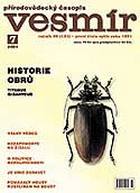
LATOUR, B. (2001): Nepřehlédněme žížalu Pontoscoles corethrurus. Vesmír, 80 (7): 383-85 - přeložili Zdeněk Konopásek a David Storch
::::Překlad článku: LATOUR, B. (nedat.): Let’s us not overlook the earthworm Pontoscolex corethrurus. Rukopis, dostupné na adrese http://bruno.latour.fr
FINE, G.A. (2001): Jak se dělá příroda a ochočuje divočina: Problém "vysbírávání" lesů v houbařské kultuře. Biograf, (24): 29-56 - přeložil Zdeněk Konopásek
::::Although nature often has been treated as an unproblematic reality, I argue for treating it as a contested concept, suggesting that "nature" is a cultural construction. Drawing on interactionist and ecological theory, I claim that the creation of social problems involving the environment is inevitably grounded in cultural choices. Through a set of ideological structures (a protectionist vision, an organic vision, and a humanistic vision), social actors develop templates for understanding the proper relationship between humans and nature. Based on an ethnography of mushroom collecting, I contend that these models lead us to experience nature through cultural eyes - wishing to be away from civilization, to be at one with nature, and to engage in the pragmatic use of nature for personal ends. Conflicting stances toward nature account for debate over the moral acceptability of the commercial collection of mushrooms and the "problem" of overpick. Templates of human-environmental interaction, leading to models for experiencing the wild, provide the basis for understanding the conditions under which environmental change is defined as a social problem.
FINE, G.A. (1997): Naturework and the taming of the wild: The problem of "overpick" in the culture of mushroomers. Social Problems, 44 (1): 68-88

ASHMORE, M. / REED, D. (2001): Nevinnost a nostalgie v konverzační analýze: dynamické vztahy mezi nahrávkou a jejím přepisem. Biograf, (25): 3-23 - přeložili Lenka Buštíková, Zdeněk Konopásek a Ivan Vodochodský
::::This paper attempts an analysis of some of the methodological practices of Conversation Analysis (CA); in particular, tape recording and transcription. The paper starts from the observation that, in the CA literature, these practices, and the analytic objects they create (the tape and the transcript), are accorded different treatment: simply put, for CA the tape is a "realist" object, while the transcript is a "constructivist" one. The significance of this difference is explored through an analysis of the dynamics of CA practice. We argue that the "constructivist transcript" is premised on an understanding of CA as predominantly concerned with maximising its "analytic utility": a concern of one distinct temporal stage of CA work: that of the "innocent" apprehension of objects in the "first time through". The "realist tape", in contrast, is based on a different aspect of the work of CA: its quest for greater "evidential utility", achieved by the "nostalgic" revisiting of previously produced objects for purposes of checking them against each other; work done in the "next time through". We further argue that both the ontology and the epistemology of CA[a]s objects are changed in any next time encounter. We conclude with a cautionary speculation on the currently-projected, transcript-free, digital future of CA.
ASHMORE, M. / REED, D. (2000): Innocence and nostalgia in conversation analysis: The dynamic relations of tape and transcript. Forum Qualitative Sozialforschung / Forum: Qualitative Social Research, 1(3): 45 odst., čl. 3. Dostupné na adrese http://nbn-resolving.de/urn:nbn:de:0114-fqs000335
KONOPÁSEK, Z. (2001): O politice nepolitičnosti (ve stopách Bruno Latoura). Vesmír, 80 (7): 386-389
::::
BITRICH, T. / KONOPÁSEK, Z. (2001): Transcriber - pohodlnější přepisování, a možná i něco navíc. Biograf, (24): 125-146 (online dostupné na adrese http://www.biograf.org/clanky/clanek.php?clanek=v2412)
::::
DUO PROFESORES, Mistr Giss & 1 Guitár Plís (2000): Zjevení pravd. CD. Vydáno vlasntím nákladem
::::Kapela Duo Profesores účinkovala v šestidílném televizním multimagazínu Dokoláč Jaroslava Duška, Pjéra Lašéze a režiséra Martina Krejčího (ČT2, duben-květen 2000). Nahrávka obsahující jakýsi "soundtrack" z tohoto pořadu i některé další songy je dostupná na tomto cédéčku s názvem Zjevení pravd. Mnohé písně vznikaly na místě, přímo ve studiu.
[hudební ukázky zde]

KONOPÁSEK, Z. / KUSÁ, Z. (2000): Political screenings as trials of strength: Methodological consequences of the relativist perspective in oral history research. In: D. Koleva, ed.: Talking history. Sofia: LIK. Str. 63-81
::::
KONOPÁSEK, Z. / KUSÁ, Z. (2000): Re-use of life stories in an ethnomethodological research. Forum Qualitative Sozialforschung / Forum: Qualitative Social Research, 1 (3): 42 odst, čl. 24. Dostupné na adrese http://nbn-resolving.de/urn:nbn:de:0114-fqs0003248
::::In the Czech Republic and Slovakia, the age of life history archives with a wider access for the social scientists is only coming. However, secondary analysis of qualitative data is not limited to documents that are stored in public archives. It happens quite often that researchers make use of an interview transcript, or a part of it, which has originally been gathered for a different occasion. Thus, they use these data for studying new topics that are sometimes far from the original research questions and objectives. In this paper we discuss some methodological problems arising from such practice. We show that, on one hand, the ethnomethodological perspective is especially demanding on the quality and the pinpoint accuracy of transcripts and the descriptions of the interviews by which the narratives were elicited (field memos). On the other hand, however, the ethnomethodological perspective orients scholars to formulate their research objectives according to what the data itself offers. The methodological problems related to the re-use of data can hardly be resolved in advance and on a general level.


